Computer science
How people design algorithms, software, data, networks, and computing systems to solve problems.
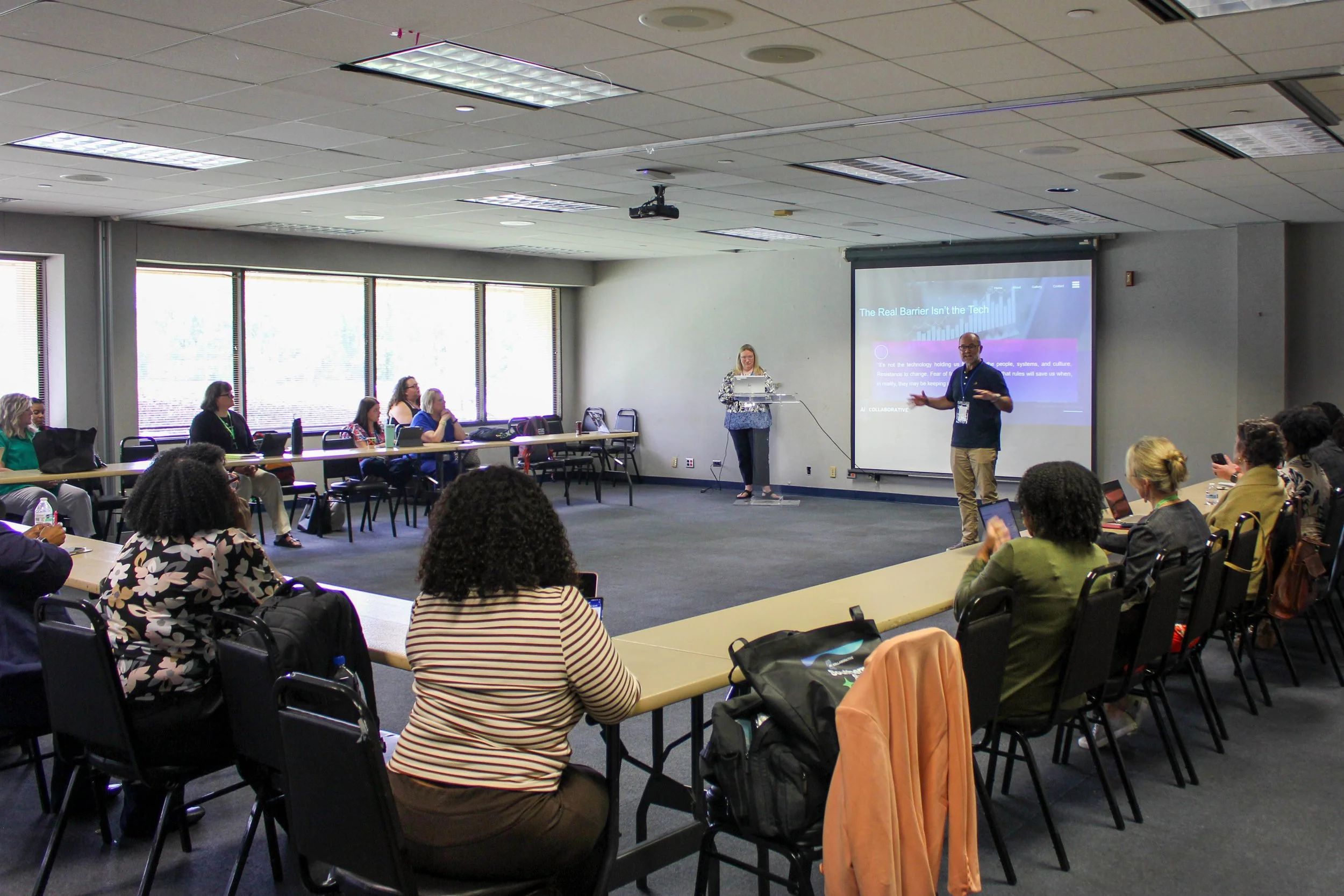
Begin with a plain-language foundation or choose a pathway shaped around your classroom, work, technical practice, creative goals, or community.
AI is part of computer science. People design the goal, collect or choose the data, build the system, test it, and decide how its output will be used.
How people design algorithms, software, data, networks, and computing systems to solve problems.
Approaches for problems involving perception, language, reasoning, planning, prediction, generation, or action.
Models learn patterns from examples or experience instead of following only hand-written rules.
Most current systems use machine-learning models to produce new text, images, audio, video, or code from patterns in training data.
Recognize speech, images, sounds, or sensor data.
Represent knowledge, compare possibilities, and plan.
Find patterns and estimate what may happen next.
Create a new response, image, sound, model, or recommendation.
Control a process, tool, robot, or software agent.
Ask: What task is the system doing? What data, representations, rules, or models shape it? How was it tested? What can go wrong? Who checks the result? Who is affected?
This MAIC explainer is informed by the ACM, IEEE Computer Society, and AAAI Computer Science Curricula 2023, the 2026 CSTA PK–12 Standards, and UNESCO’s AI Competency Framework for Students. It is a learning aid, not an official standards graphic.
There is no single right route for every person or place. Start with your work, your community, or the problem you want to solve—and adapt the pathway as you learn.
Build a practical foundation in generative AI, responsible use, and the ideas that power today’s tools.

Use AI to improve marketing, customer service, productivity, decision-making, and organizational readiness.

Apply AI to planning, personalized learning, classroom creativity, and responsible instruction.

Strengthen outreach, fundraising, strategy, and community services with responsible AI.

Learn the principles, risks, governance practices, and human impacts behind responsible AI.

Explore patient care, health data, digital practice, telehealth, privacy, and bias.
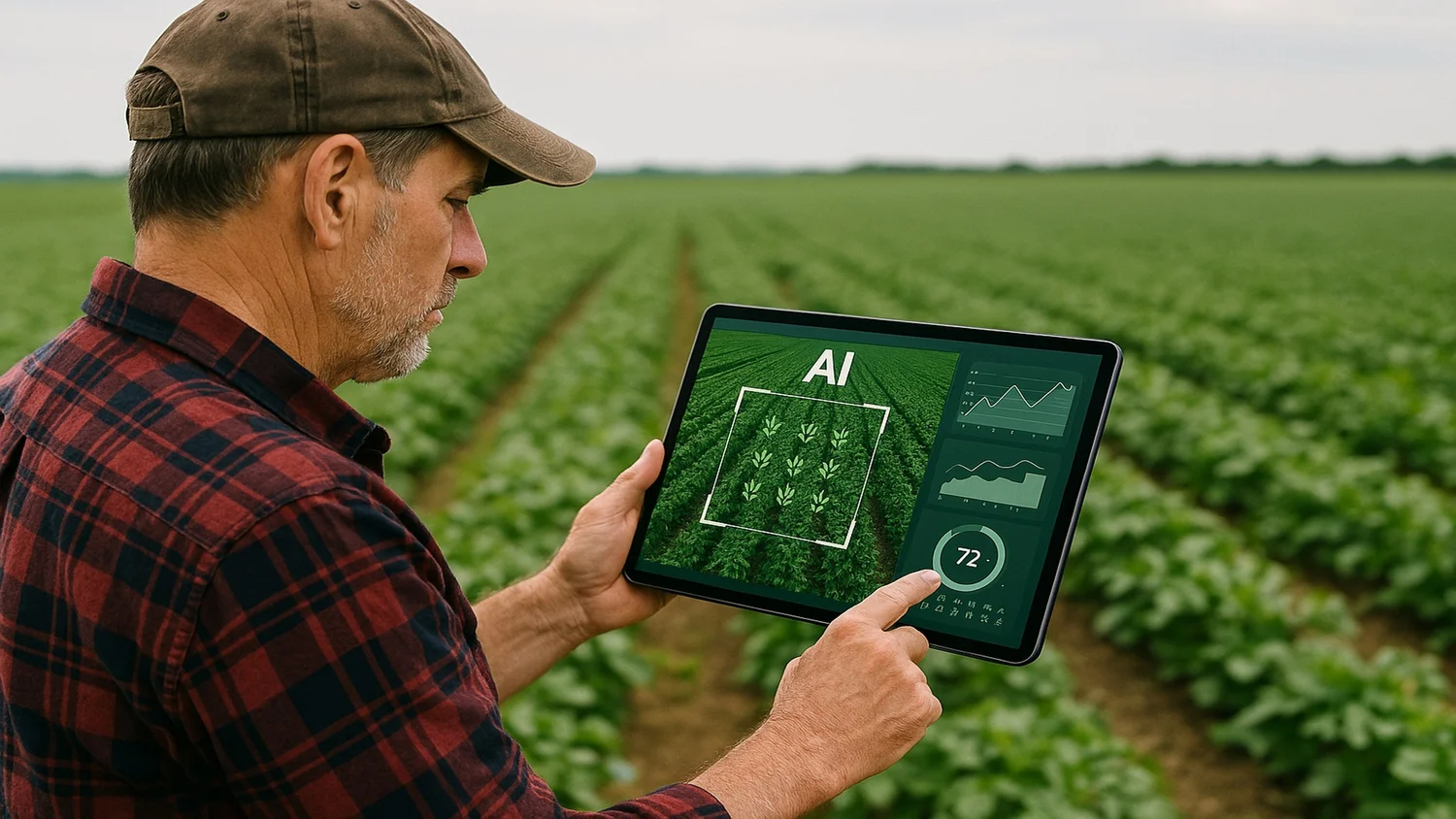
Apply AI, data, and digital systems to agriculture, sustainability, and rural enterprise.

Use AI-aware security practices to protect systems, data, organizations, and people.

Use generative AI thoughtfully across visual art, marketing, writing, and media projects.
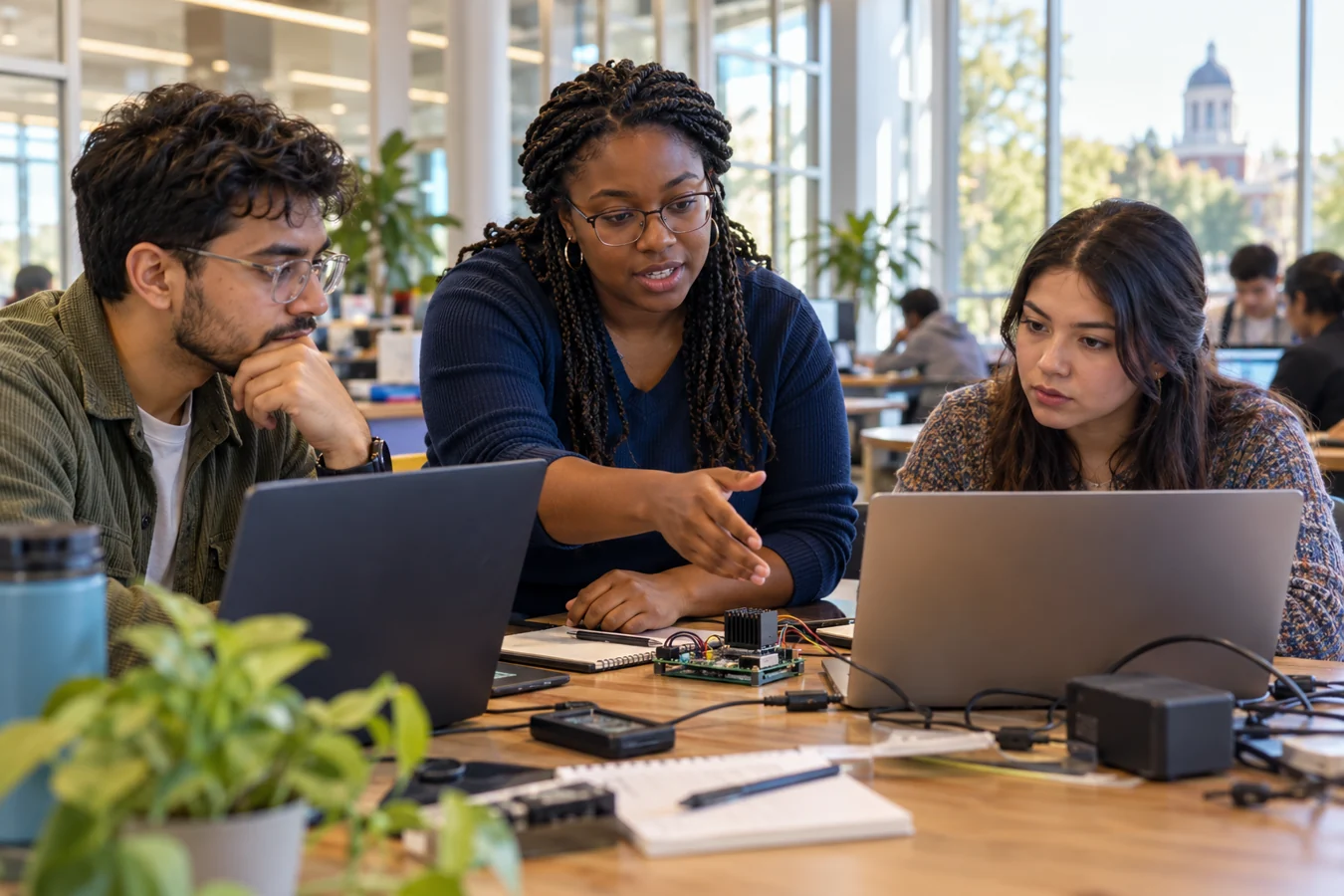
Build, evaluate, and deploy AI applications—from machine-learning foundations and open models to agents and private on-device inference.

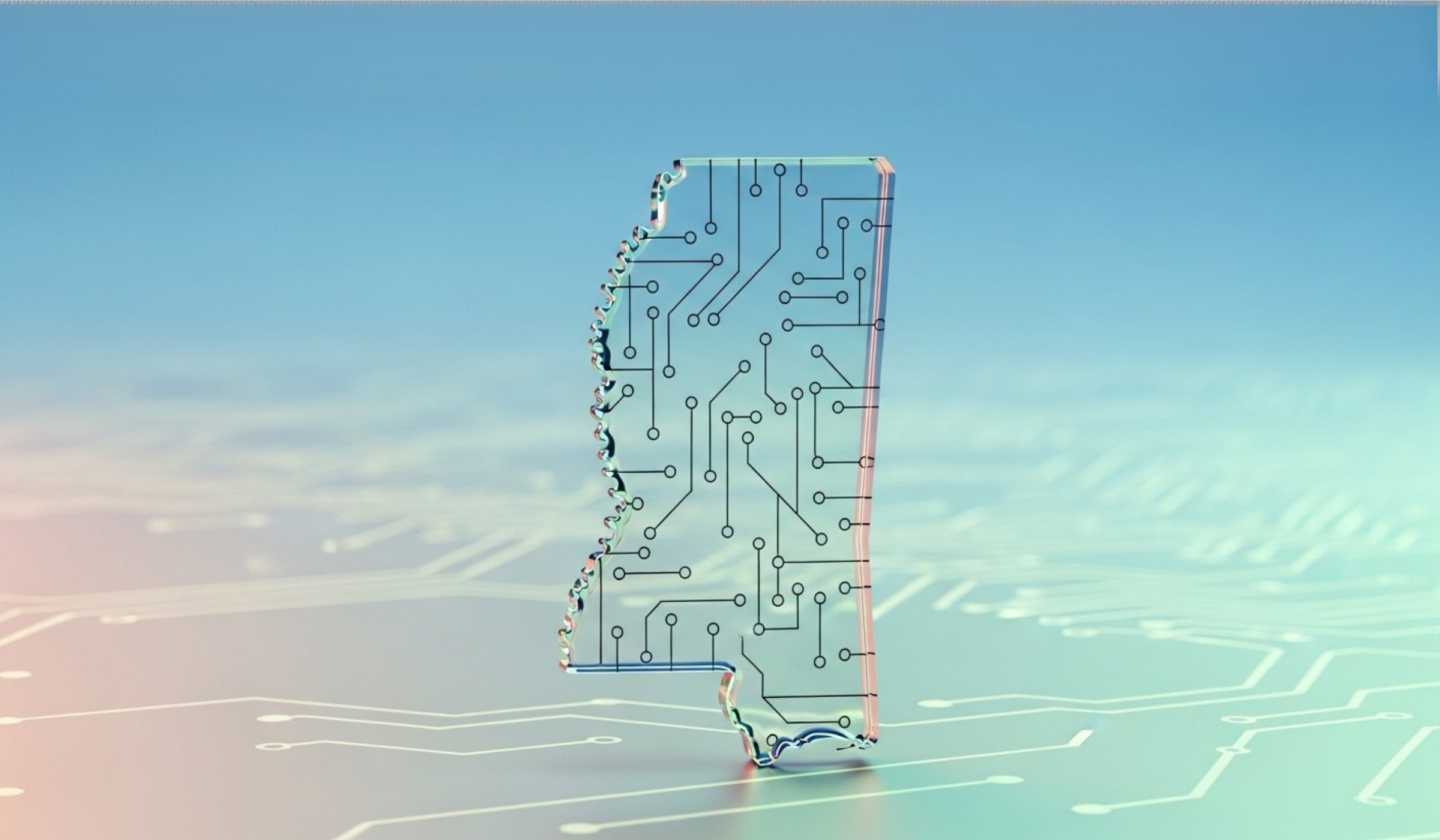
Understand what quantum computing is, what it is not, and why Mississippi is building capacity in quantum research, data science, cybersecurity, and advanced computing.

Explore how AI works, question what it tells you, and build something useful through age-appropriate, hands-on learning.
 IBM SkillsBuild
Learn core generative AI concepts and earn an IBM digital badge.
Prepare your organization to adopt and scale generative AI responsibly.
A two-hour course for personalizing instruction and creating classroom content.

A grade-adaptive, six-mission course aligned to Mississippi’s 2026 Computer Science Standards.
Use adaptable policy templates, community-built playbooks, task-based prompt guides, and decision directories—all connected to the learning pathways.
Move from an open course into educator support, applied project experience, workforce development, or a community conversation.