Build beyond the prompt by understanding models, data, and interfaces
AI Development & On-Device Systems pathway page

Pathway 10 · Developers · 6 courses & labs
AI Development & On-Device Systems
Build, evaluate, and deploy AI applications—from machine-learning foundations and open models to agents and private on-device inference.
How this pathway worksKnow why you are learning.
Know why you are learning.
Practice with purpose.
Leave with a next step.
Courses are arranged as a recommended sequence, not a requirement. Start with the foundation if the topic is new, or choose the course that closes a specific gap. Progress here is a planning aid; provider completion and credential rules are separate.
Who this is for
Developers with some programming experience who want to build and evaluate AI systems
Progress from machine-learning foundations to open models, agents, and on-device inference with evaluation, security, privacy, and maintainability built in.
Evaluate quality, failure modes, fairness, security, latency, and cost
Document monitoring, human oversight, fallback, and retirement plans
Before you startCourses open on the provider’s website. The Commons does not require an account, but a provider may require registration. Confirm current cost, certificate, language, accessibility, and participation requirements on the course page.
01
 MAIC learning visual
Foundation · Google for Developers
Machine Learning Crash Course
Build a practical foundation in models, data, neural networks, embeddings, production ML, and fairness through interactive exercises.
View course details ↗Listing checked October 27, 2026 · Report a change
02
 MAIC learning visual
Build · fast.ai
Practical Deep Learning for Coders
Train and deploy useful deep-learning models with a code-first course designed for people who already have some programming experience.
View course details ↗Listing checked October 27, 2026 · Report a change
03
 Hugging Face
Build · Hugging Face
The LLM Course
Learn how transformer models work and use open-source tools to build, fine-tune, evaluate, and share language-model applications.
View course details ↗Listing checked October 27, 2026 · Report a change
04
 MAIC learning visual
Build · Microsoft Learn
Develop Generative AI Apps in Azure
Move through model selection, deployment, evaluation, prompt flows, and application development in an intermediate learning path.
View course details ↗Listing checked October 27, 2026 · Report a change
05
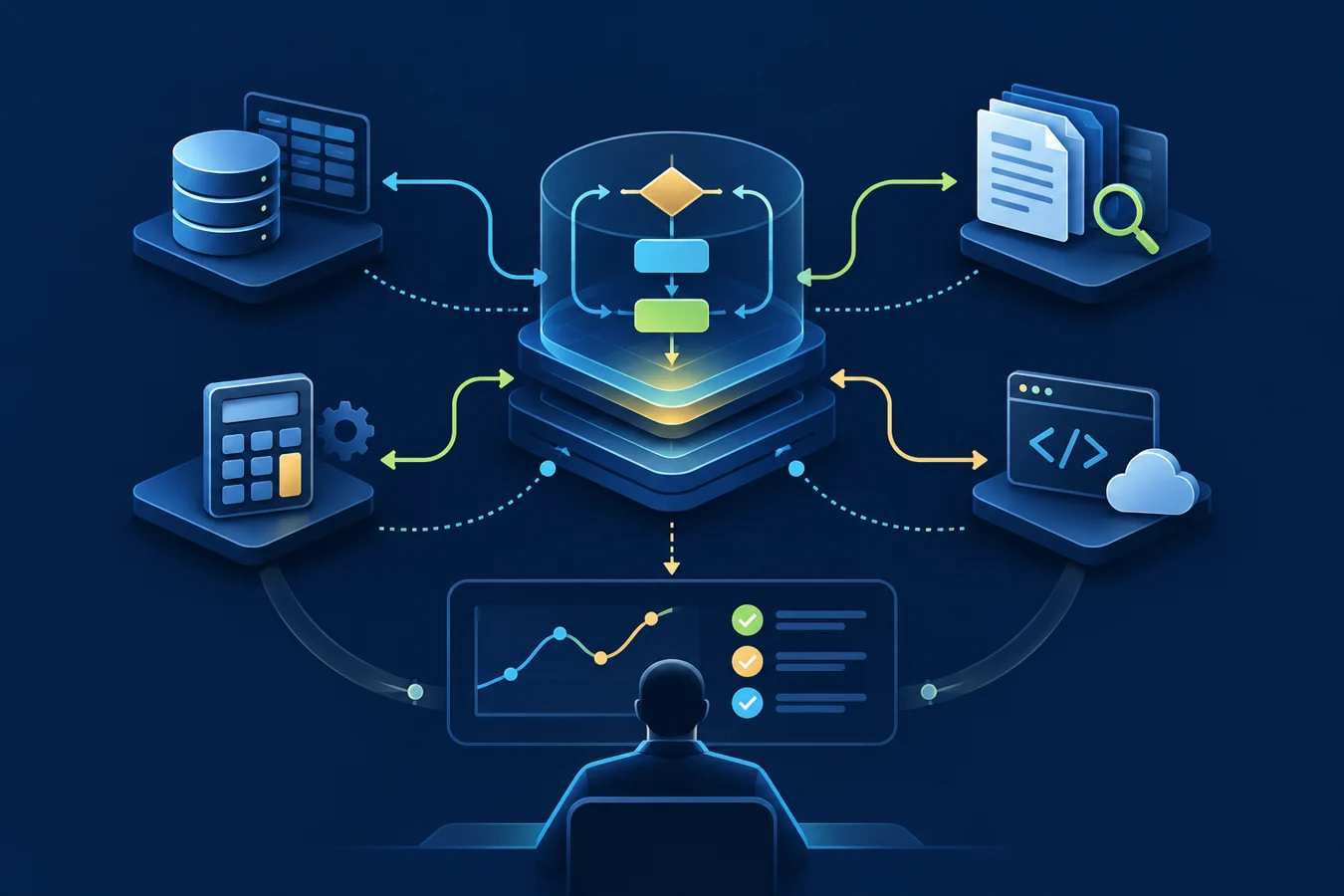 MAIC learning visual
Build · Hugging Face
AI Agents Course
Study agent fundamentals, tool use, orchestration, observation, and evaluation—then build and publish a working agent.
View course details ↗Listing checked October 27, 2026 · Report a change
06
 MAIC learning visual
Apply · Google AI Edge
On-Device AI with LiteRT
Learn the workflow for converting, optimizing, and running vision, audio, embedding, and generative models locally across edge platforms.
View course details ↗Listing checked October 27, 2026 · Report a change
Final milestone
Show what you can now explain, evaluate, or make.
Use this pathway to complete one small piece of evidence: build beyond the prompt by understanding models, data, and interfaces; evaluate quality, failure modes, fairness, security, latency, and cost; document monitoring, human oversight, fallback, and retirement plans. Document what you tried, what you checked, what changed, and the next question you still need to answer.